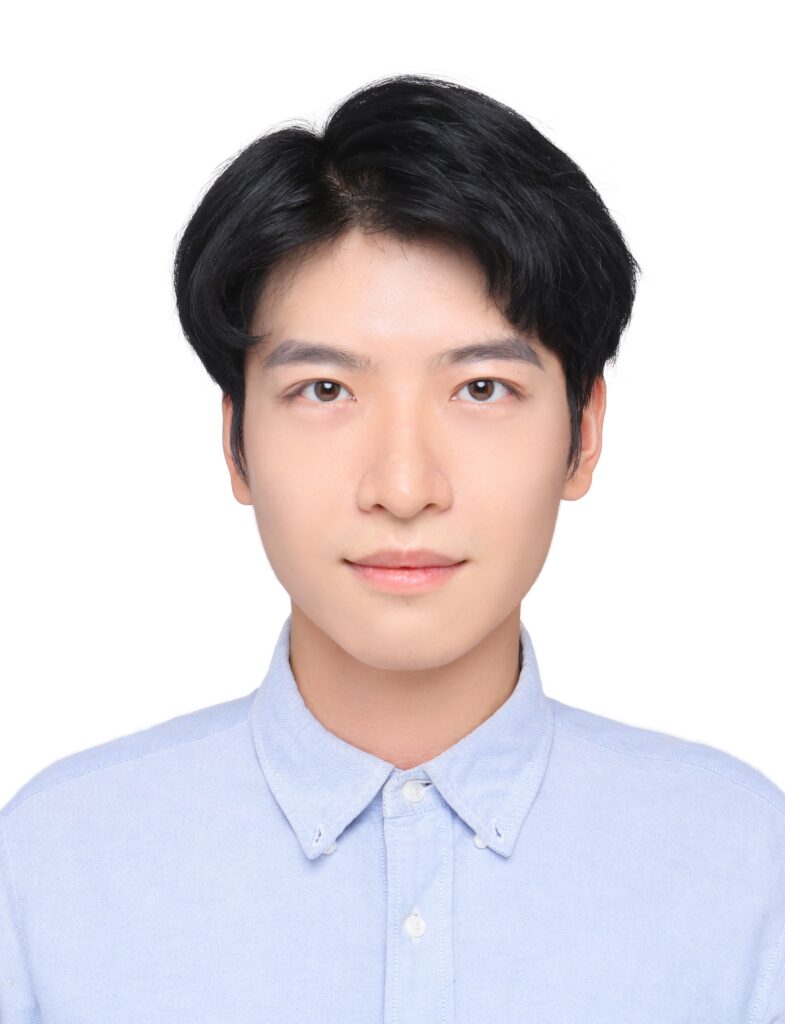
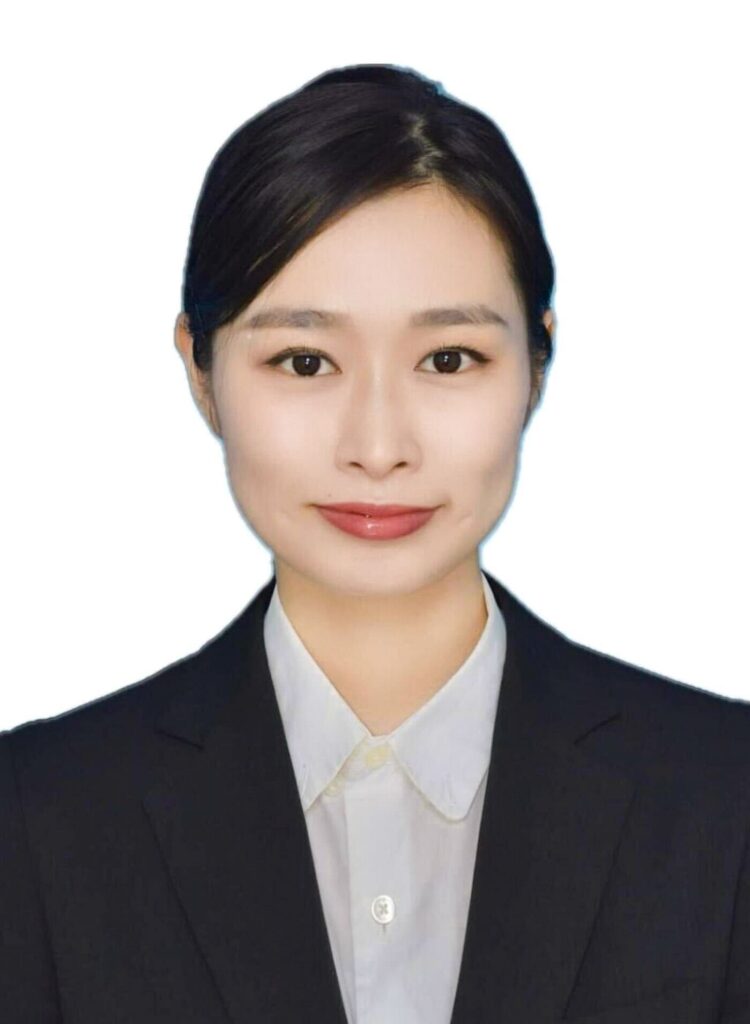
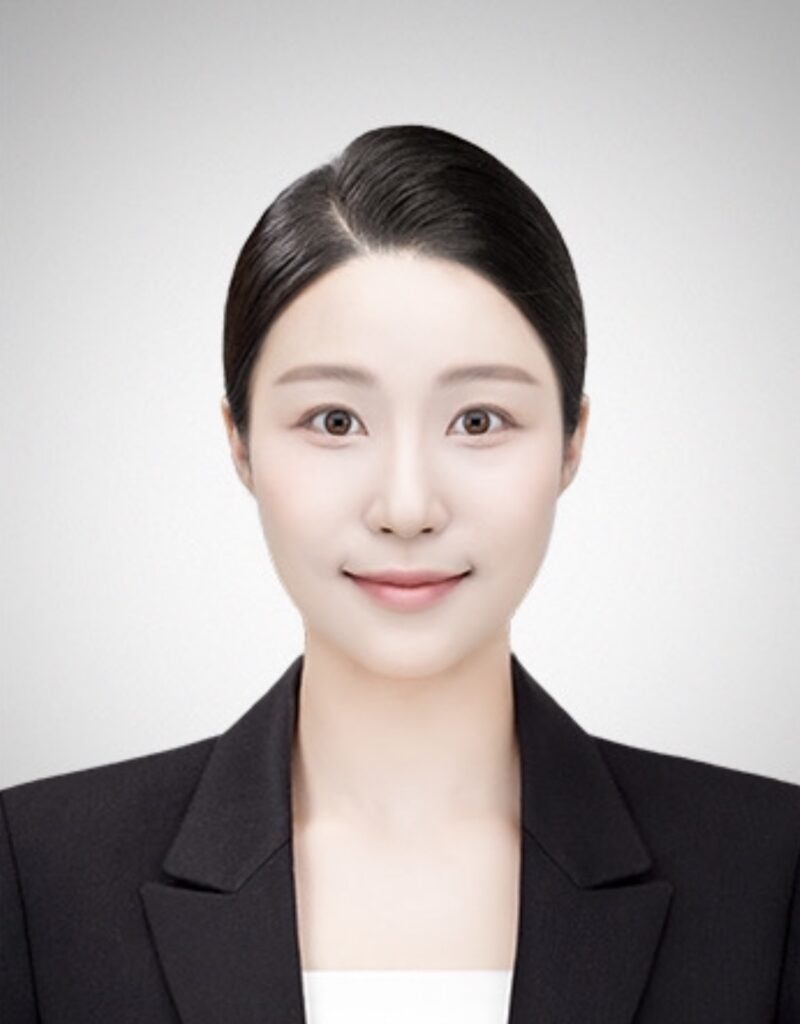
Associate Professor, Department of Prosthodontics
Digital Dentistry · 3D Printing · AI in Dentistry · Implant Prosthodontics
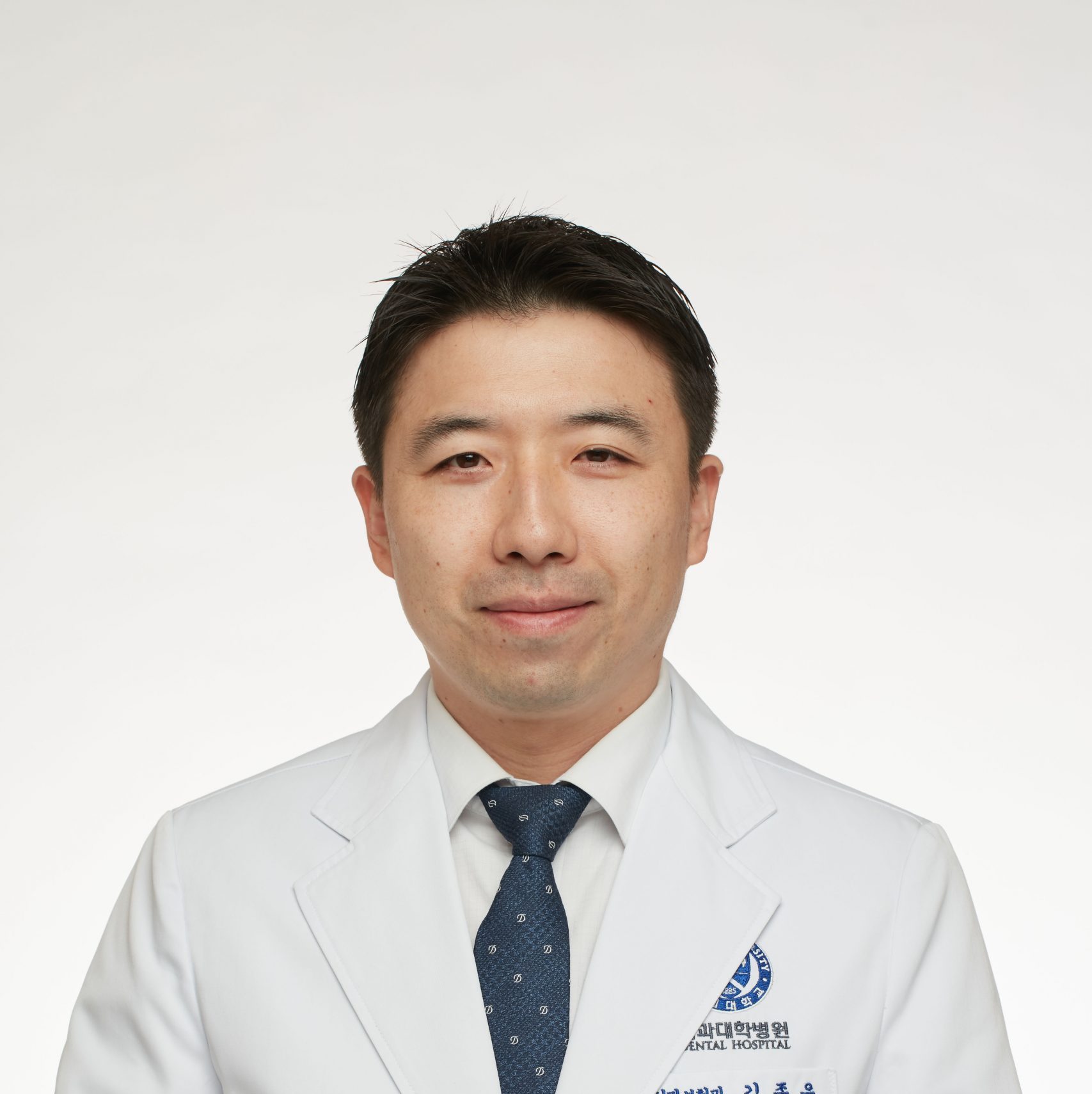
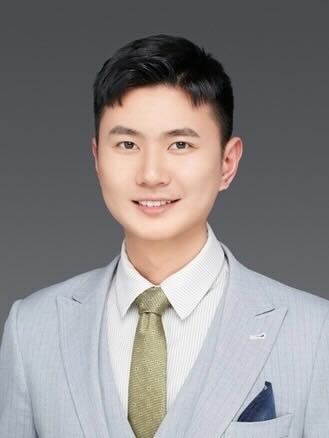
Professor Jong-Eun Kim is an Associate Professor in the Department of Prosthodontics at Yonsei University College of Dentistry, Seoul, Korea. He earned his DDS from Seoul National University, followed by a Master's degree from Korea University and a Ph.D. from Yonsei University.
His research focuses on digital dentistry, 3D printing technology for dental applications, AI-driven diagnostic systems, and implant prosthodontics. He has been recognized as one of the World's Top 2% Scientists by Stanford University / Elsevier in both 2024 and 2025.
He served as a Visiting Associate Professor at the Faculty of Dentistry, University of British Columbia, Canada (2023-2024), and is an active member of the Korean Academy of Prosthodontics, the Korean Academy of Oral and Maxillofacial Implants, and the Korean Academy of Digital Dentistry.
Advancing dental care through digital innovation, artificial intelligence, and cutting-edge materials science.
Investigating mechanical properties, biocompatibility, and clinical accuracy of 3D printed dental materials including denture bases, crowns, and surgical guides.
Developing AI-driven systems for implant classification, smile design automation, dental image segmentation, and clinical decision support tools.
Creating complete digital workflows for implant planning, intraoral scanning, CAD/CAM prosthetics, and jaw motion tracking systems.
Advancing guided implant surgery, computer-based implant planning, and prosthetic design for optimal clinical outcomes.
Evaluating novel dental materials including antimicrobial nanocomposites, zirconia ceramics, and hybrid polymers for improved clinical performance.
Developing privacy-preserving medical data analysis using homogeneous encryption, differential privacy, and explainable AI for dental healthcare.
Peer-reviewed publications in international dental science journals.
Dental treatment planning with implants, implant placement, and manufacturing of dental implant prostheses using conventional and digital methods.
Theories and techniques of basic removable prosthetic treatment to restore the esthetics and function of fully edentulous patients.
Physiological changes, systemic diseases, and medications in elderly patients. Communication and treatment planning for geriatric dental care.
Clinical significance, anatomy, histology, diagnosis, treatment planning, surgical procedures, and management of dental implant complications.
Researchers and students in the Digital Prosthodontics Lab.